How to Choose Between Wood and Composite Decking
Choosing decking material is one of the biggest decisions in a new deck project because it affects appearance, maintenance, budget, and the way the space feels underfoot for years to come.
For many homeowners, the choice comes down to traditional wood or composite decking. Both can work well, but they suit different priorities. The better option is not simply the material that costs less or requires less maintenance. It is the one that fits the home, the property, and the way the deck will actually be used.
Think About the Look You Want
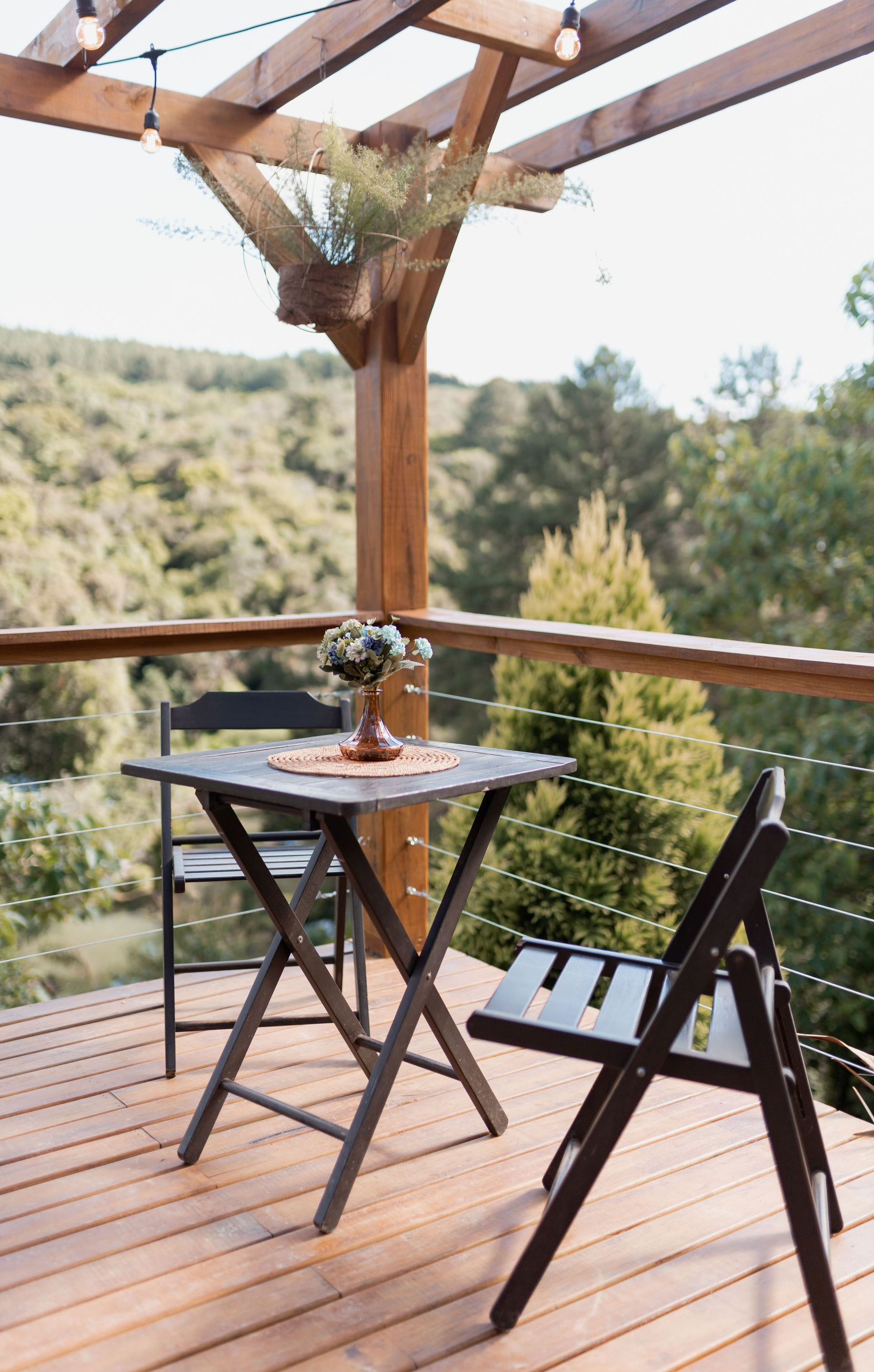
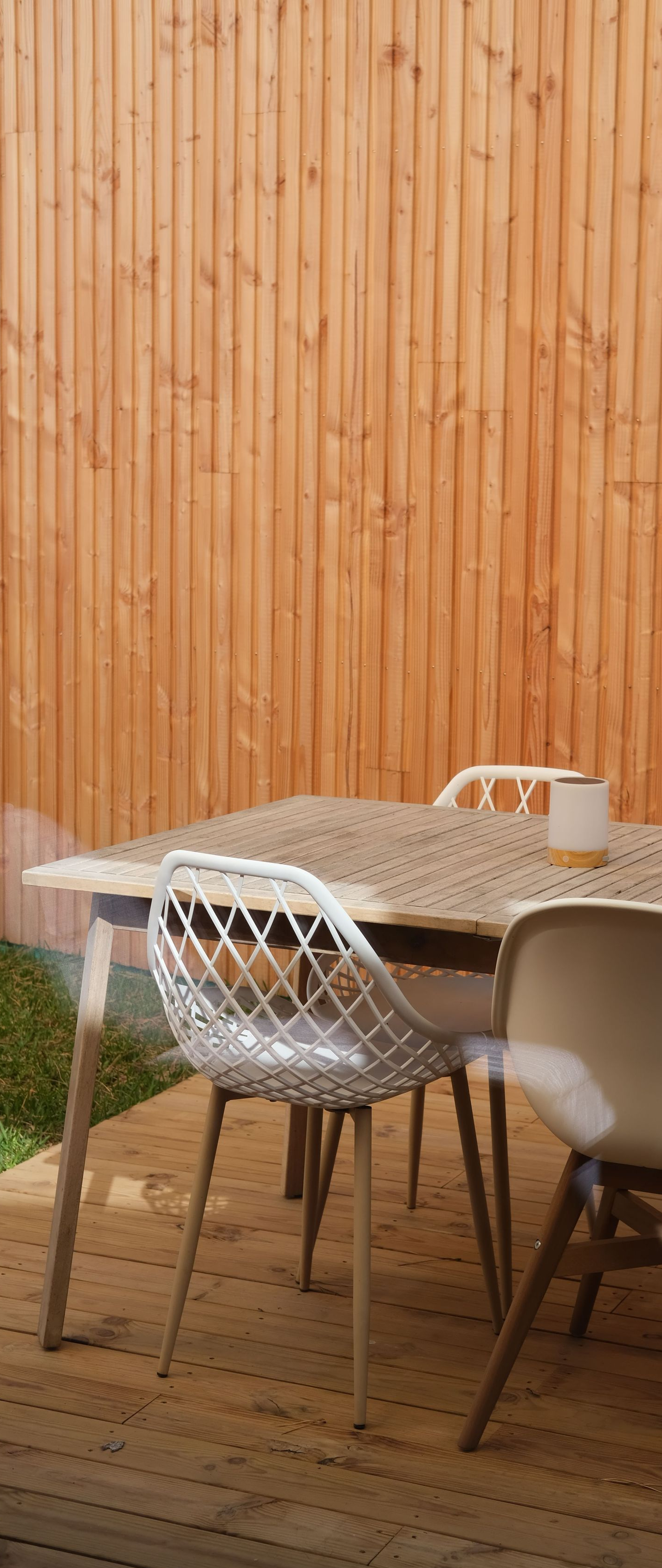
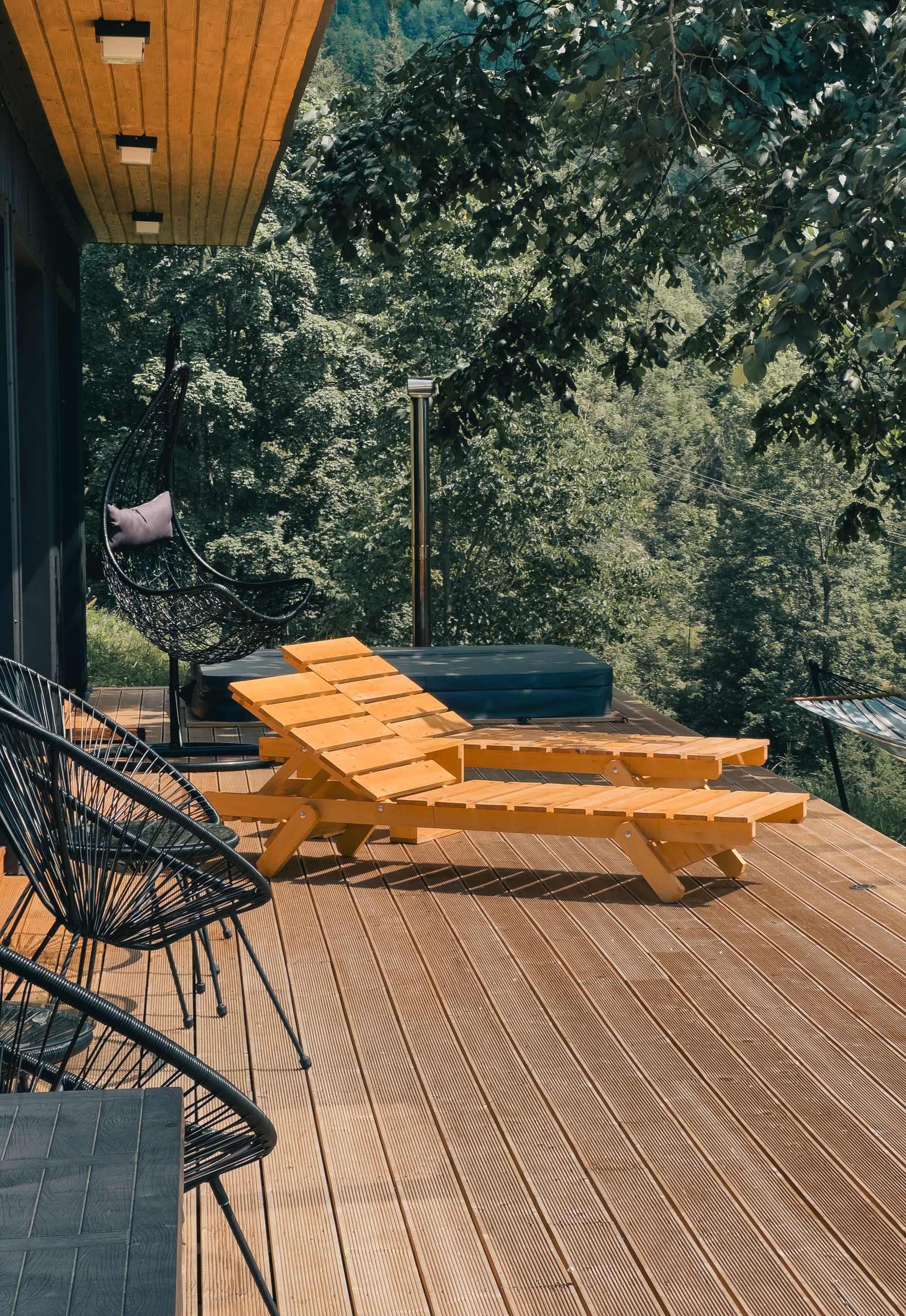
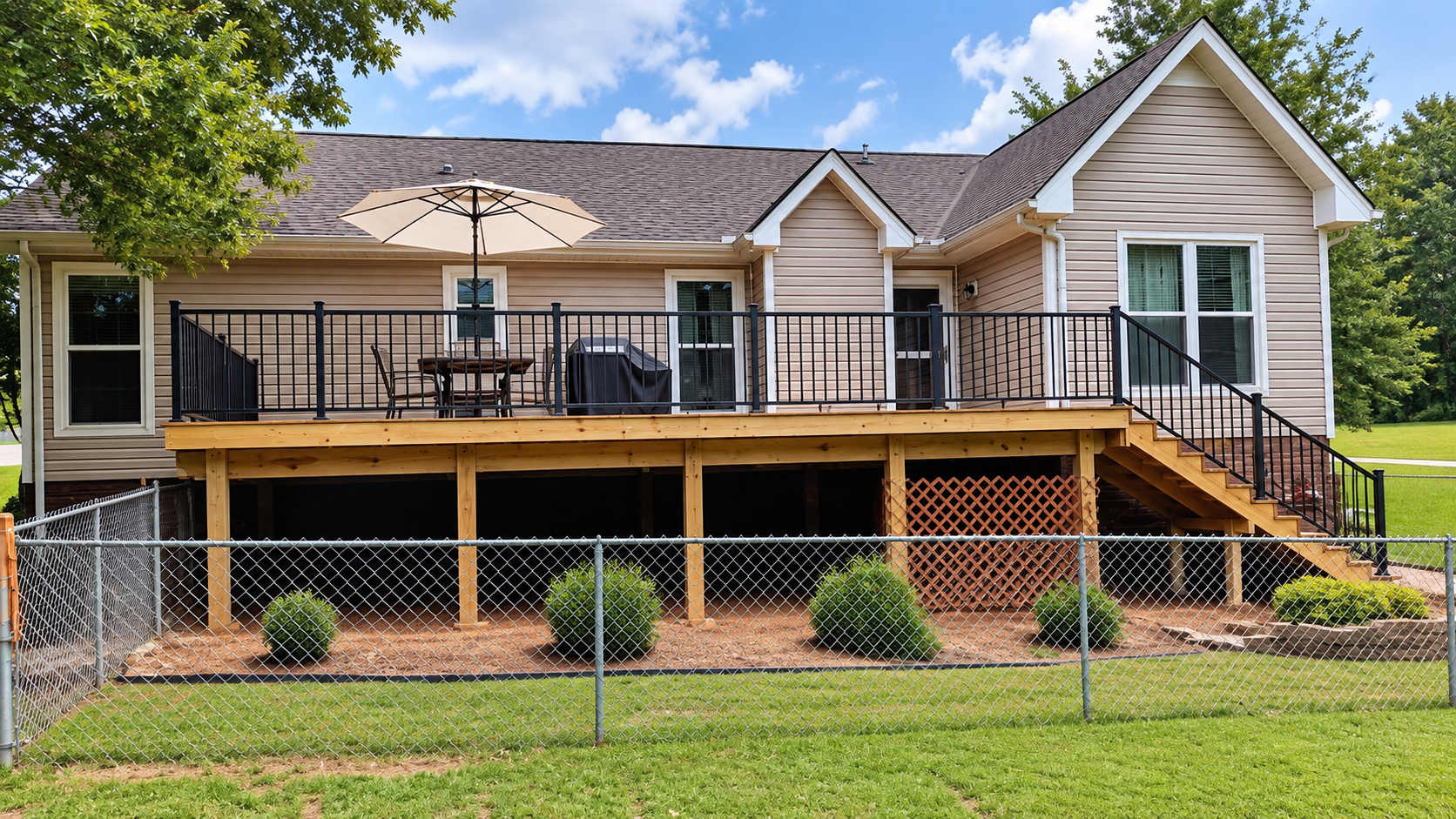
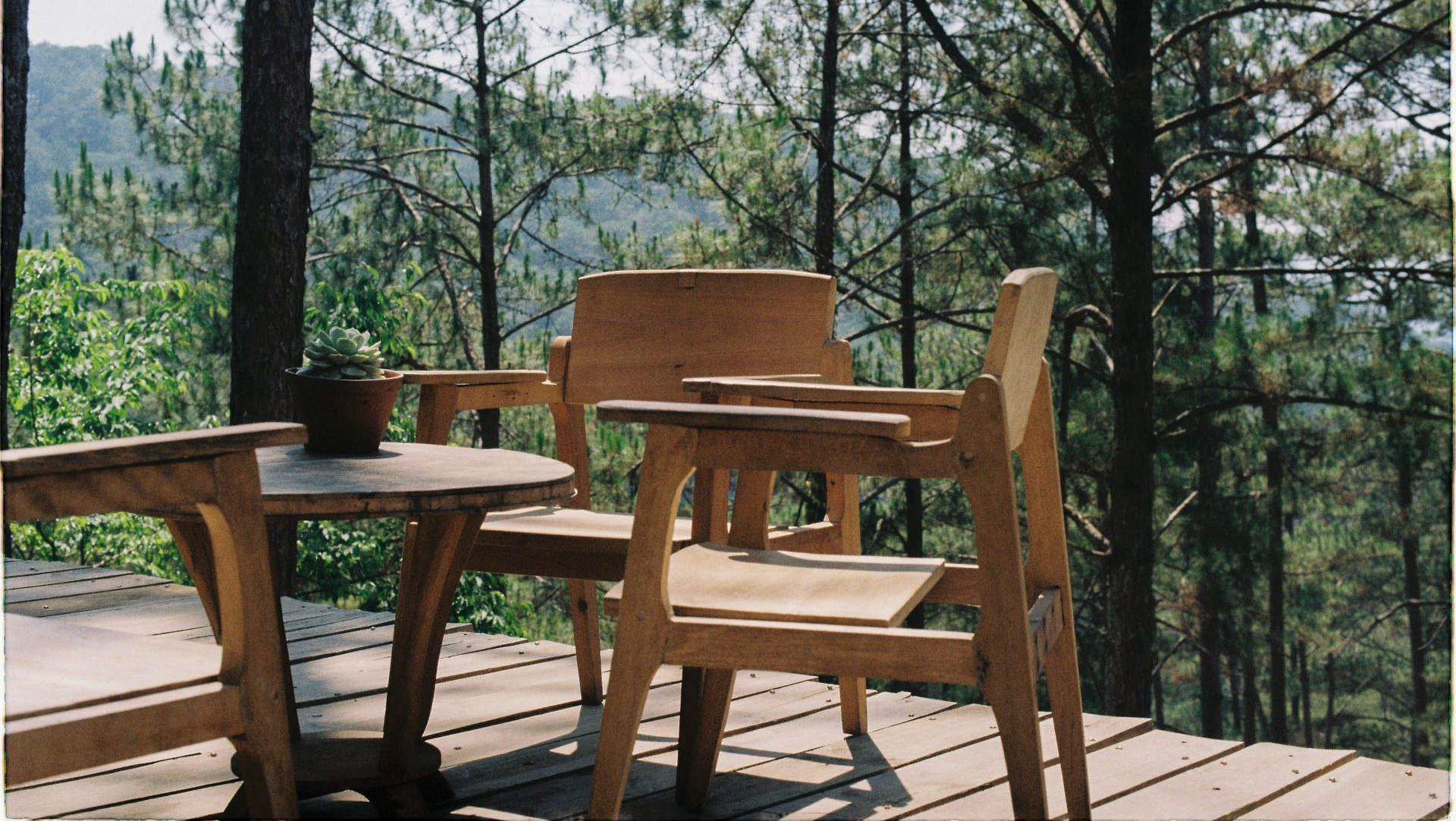
Wood has a natural character that is difficult to duplicate. Grain variation, color changes, and the texture of real lumber can create a warm, traditional appearance that works especially well with many established homes.
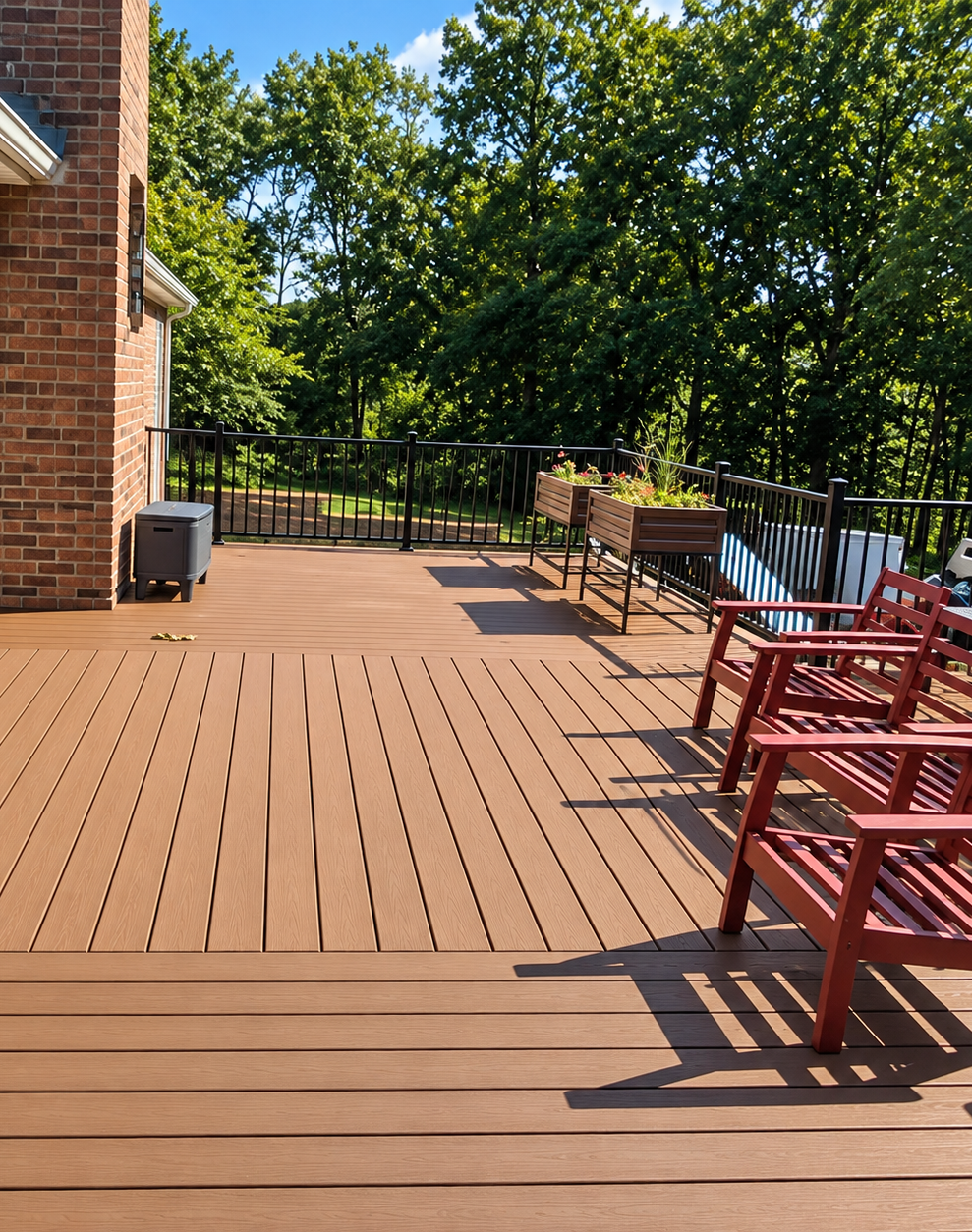
Composite decking offers a more consistent look. Modern options are available in a wide range of colors and surface patterns, which can make it easier to coordinate the deck with siding, trim, railings, and other exterior features.
Homeowners should think about whether they want the deck to feel naturally rustic, clean and contemporary, or somewhere in between. Pappas Enterprises can help compare material options based on the style of the home rather than treating every deck the same way.
Consider How Much Maintenance You Want
Maintenance is one of the biggest differences between the two materials.
Wood decks typically require more ongoing care. Depending on the type of wood and exposure conditions, that may include cleaning, staining, sealing, or refinishing over time. Homeowners who enjoy the appearance of natural wood may be comfortable with that routine.
Composite decking is generally chosen by homeowners who want to reduce some of that maintenance. It does not need to be stained in the same way traditional wood does, and it is designed to resist common issues such as rot, splintering, and insect damage.
That does not mean composite is maintenance-free. Any deck still needs regular cleaning and inspection, but the day-to-day upkeep can be different.
Compare Upfront Cost With Long-Term Priorities
Wood often has a lower initial material cost, which can make it appealing when the project budget is tight.
Composite typically costs more upfront, but some homeowners consider the reduced need for staining and refinishing worthwhile over the long term.
The important thing is to look beyond the first invoice.
A homeowner who plans to stay in the house for many years may evaluate the cost differently from someone who expects to move sooner. Likewise, a person who does not want to spend weekends maintaining a deck may place more value on a lower-maintenance surface.
Pappas Enterprises helps homeowners weigh those tradeoffs honestly rather than pushing one material for every project.
Sun Exposure and Daily Use Matter
Where the deck sits on the property should also influence the decision.
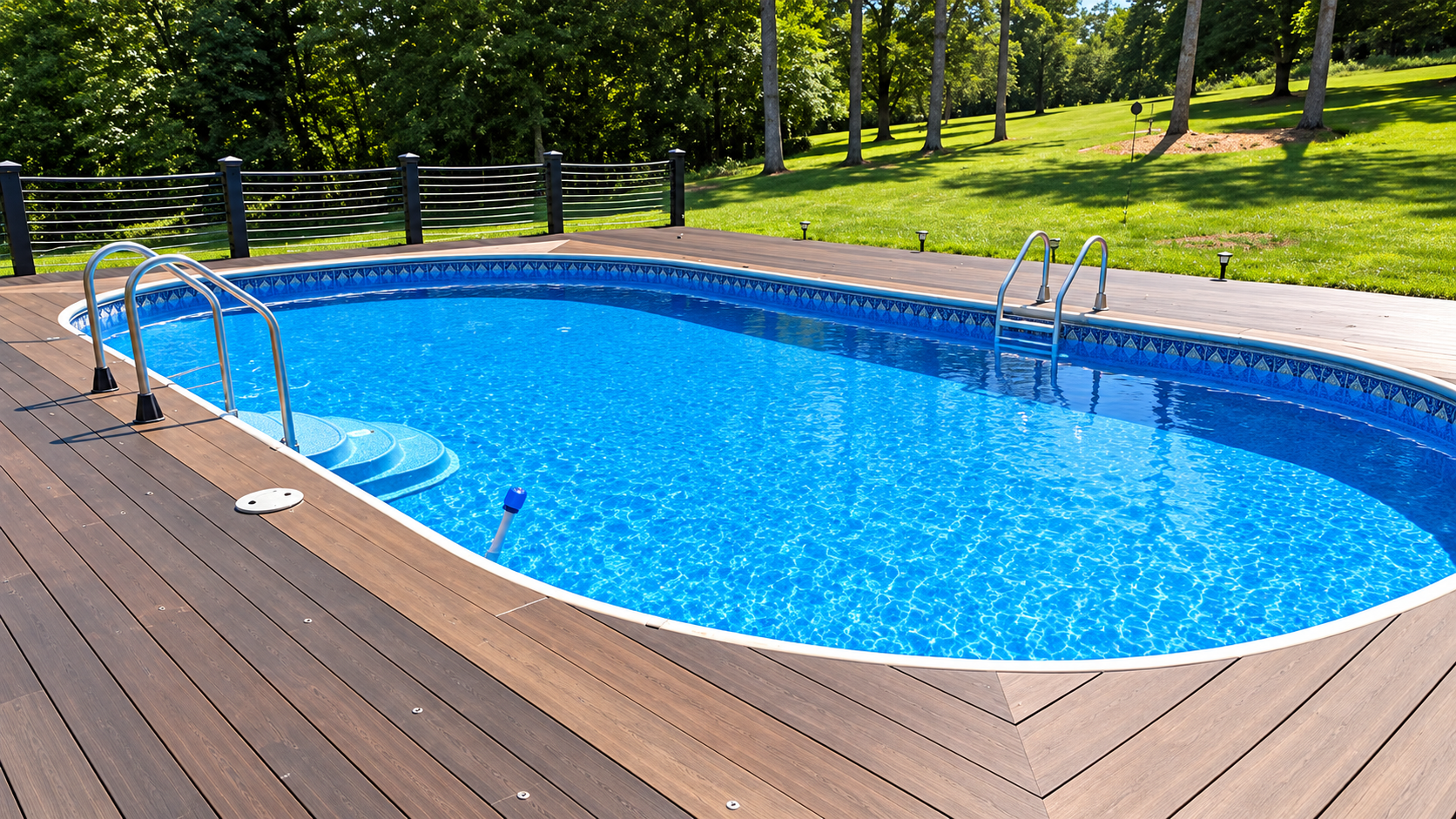
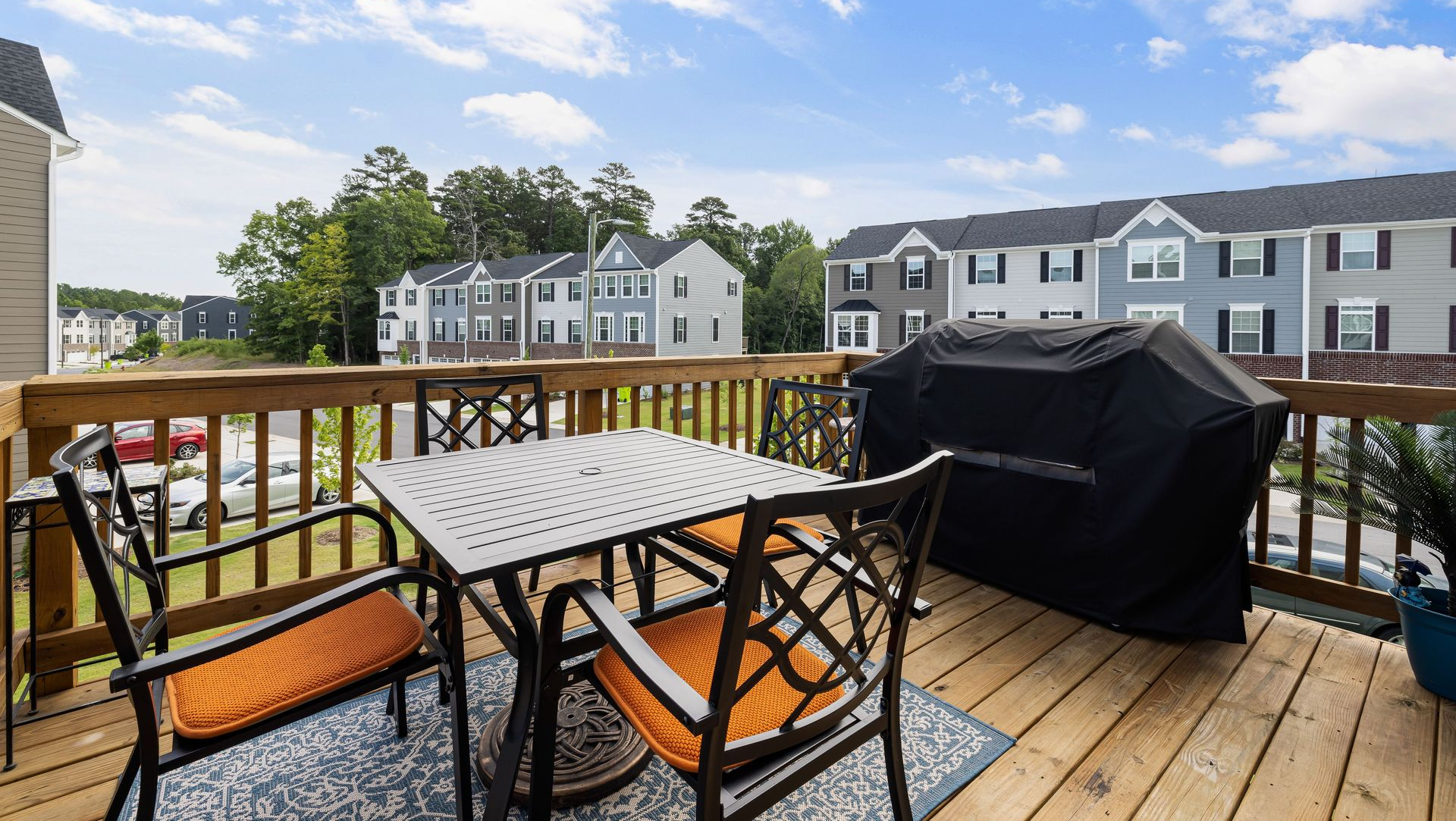
A heavily shaded deck may experience different moisture conditions than one exposed to full sun. A deck around a pool may need different considerations than one used primarily for dining and entertaining. Families with children or pets may also care about surface feel, durability, and ease of cleaning.
Material choice should be part of the larger design discussion, along with deck size, railing style, stairs, furniture layout, and traffic flow.
The Structure Underneath Still Matters
No matter which surface material you choose, the deck structure has to be sound.
Framing, footings, stairs, railings, and connections are just as important as the boards you see on top. This is especially important during resurfacing projects, where homeowners may want to install new decking over an existing frame.
Before making that decision, the structure should be evaluated carefully. Replacing the surface does not solve hidden framing problems, rot, movement, or structural weakness.
Pappas Enterprises can help determine whether an existing deck is a good candidate for resurfacing or whether more extensive work is needed.
Choose the Material That Fits Your Lifestyle
There is no universal winner between wood and composite decking.
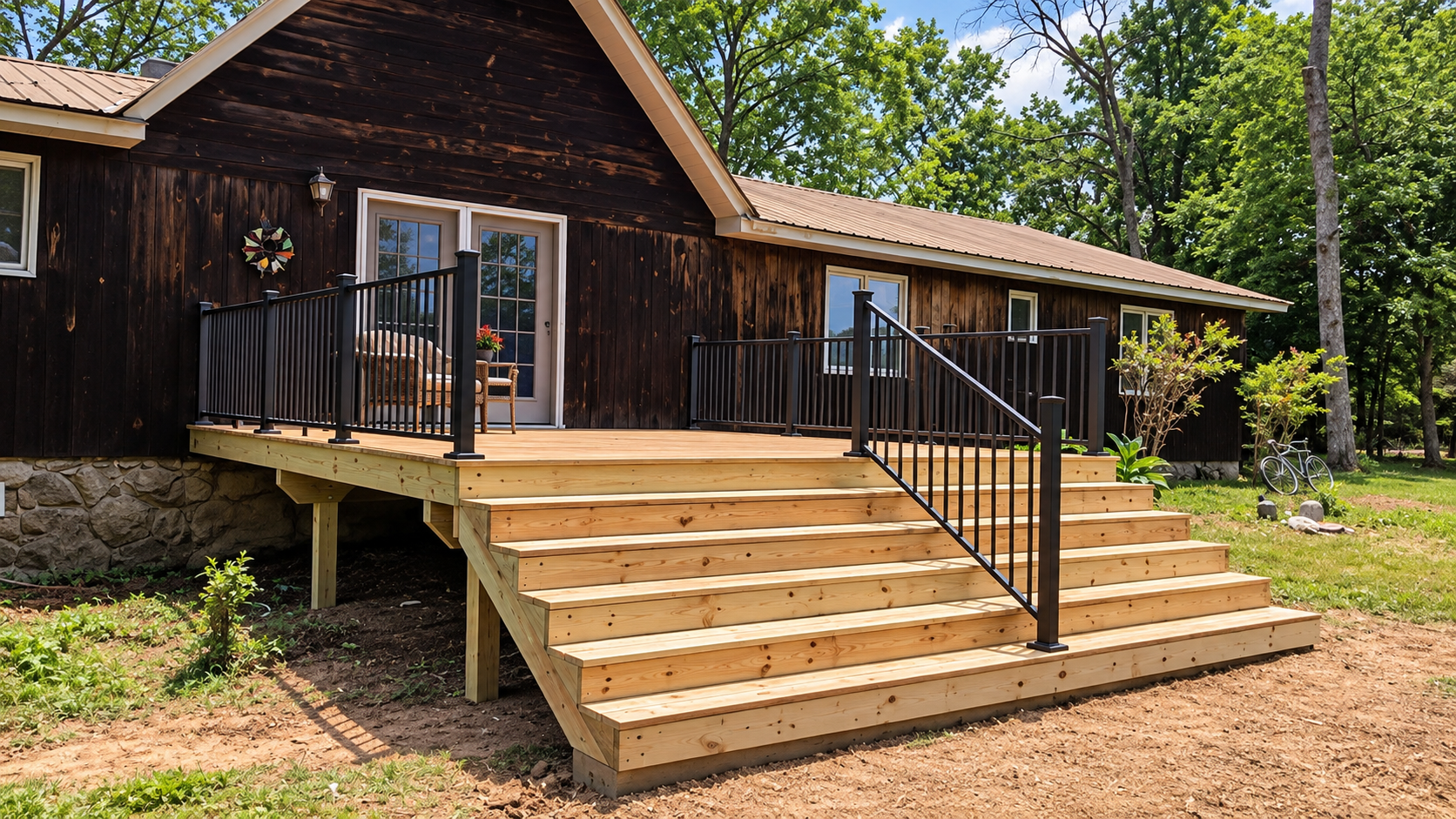
Wood may be the better fit for homeowners who value natural appearance and are comfortable with ongoing maintenance. Composite may appeal more to those who want a lower-maintenance surface and a more consistent look.
The best decision comes from balancing appearance, budget, maintenance expectations, site conditions, and long-term plans.
Pappas Enterprises designs and builds custom decks throughout Middle Tennessee and nearby Southern Kentucky, with experience in both wood and composite systems. Whether you are building new, resurfacing an older deck, or deciding which material makes the most sense, the company can help you choose a solution that fits the home and the way you plan to use it.